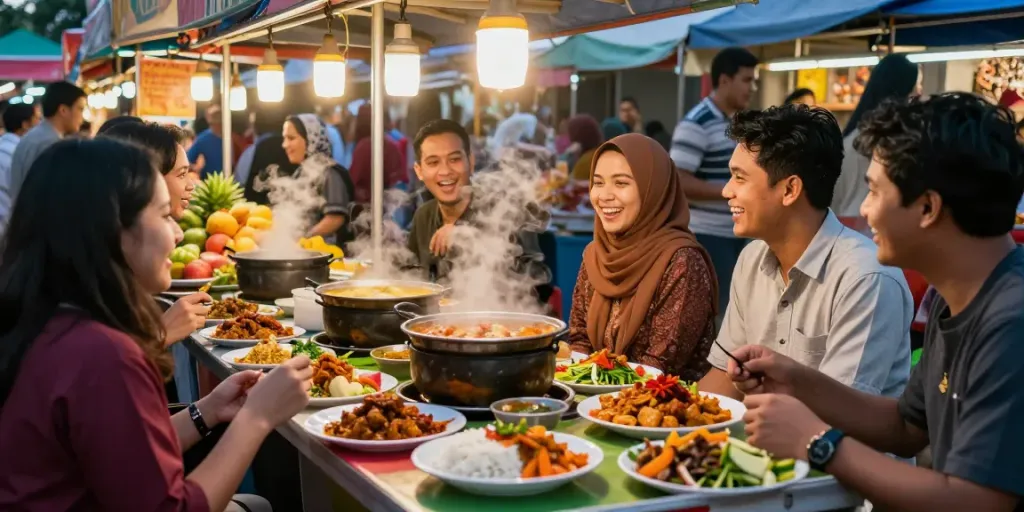
Introduction to Nasi Kandar and Its Cultural Significance
Nasi Kandar, a culinary gem originating from the bustling port of Penang, Malaysia, represents more than just a meal; it is a cultural ritual steeped in history. As one of the most beloved dishes in Malaysia, it encapsulates the tradition of communal sharing and the rich flavors brought by Indian Muslim traders. This article will explore what Nasi Kandar is, its historical roots, and why it's a must-try dish for anyone visiting Malaysia. Furthermore, we will delve into the unique experience of enjoying Nasi Kandar, the variety of dishes to choose from, and tips for discovering the best stalls. For those looking for insights into local delicacies, the rokok88 slot provides a comprehensive guide to the vibrant food scene in Malaysia.
What is Nasi Kandar?
Nasi Kandar is a Malaysian dish consisting of steamed rice served with a variety of curries and side dishes. Traditionally, the rice is drenched in multiple spicy gravies or curries, which makes each bite a flavor explosion. It is characterized by the ‘banjir’ style of serving, where the rice is soaked in various types of curry sauces. The dish originated from the Indian Muslim community in Malaysia and has evolved to include various local influences, making it a beloved comfort food across different cultures.
The Historical Roots of Nasi Kandar in Penang
The history of Nasi Kandar can be traced back to the 19th century when Penang became one of the busiest ports in the Malay Peninsula. Laborers working at the docks required a hearty breakfast to sustain their demanding workload. During this time, Tamil Muslim merchants began peddling rice and curries from baskets balanced on poles, a method known as ‘kandar,’ meaning to carry. Over time, the dish became popular among all classes, transcending its humble beginnings to become iconic in Malaysian cuisine.
Why Nasi Kandar is a Must-Try Dish
Nasi Kandar is not just a meal; it's an experience. The careful selection of ingredients and the communal aspect of sharing dishes make it an integral part of Malaysian culture. Each stall offers a unique twist based on the chef’s recipe, ensuring that no two experiences are quite the same. For food lovers, Nasi Kandar is a way to explore the diverse flavors of Malaysian spices and cooking styles, making it a culinary adventure you won't want to miss.
Understanding the Ritual of Nasi Kandar
The enjoyment of Nasi Kandar is deeply rooted in the rituals surrounding its preparation and consumption. Unlike regular rice dishes, the ritual involves choosing a combination of rice, side dishes, and the all-important curries, creating a personalized meal that reflects individual taste preferences.
The Process of Selecting Your Lauk
When visiting a Nasi Kandar stall, the first step is selecting your "lauk" or side dishes. This usually includes options like fried chicken, fish, and various vegetable dishes. Each dish is carefully prepared and packed with flavor, exhibiting the rich tapestry of Malaysian culinary traditions. Diners have the freedom to customize their plates, ensuring a unique blend of flavors in every visit.
Mixing Curries: The Art of 'Banjir'
The 'banjir' method is what truly sets Nasi Kandar apart from other rice dishes. This involves pouring several types of curries over the selected rice and lauk, resulting in a vibrant and aromatic meal. The choice of curries can significantly alter the dish's overall flavor profile, providing a delightful challenge for taste buds. The term 'banjir,' which means flood in Malay, perfectly describes how the rice is submerged under an ocean of gravy.
How to Build Your Perfect Plate
Building the perfect Nasi Kandar plate is an art form. Start with your choice of rice — whether you prefer plain white rice or fragrant briyani rice. Next, select your lauk. Popular choices include:
- Ayam Goreng Berempah: Spicy fried chicken marinated in aromatic herbs and spices.
- Sotong Sambal: Tender squid cooked in a rich sambal sauce.
- Udang Masak Lemak: Juicy prawns cooked in a creamy coconut curry.
- Terung Berlada: Fried eggplant topped with a spicy chili sauce.
- Kari Kambing: Slow-cooked lamb in a rich, spiced curry.
After selecting your lauk, request several types of curry to be poured over the rice and lauk, ensuring each bite is bursting with flavor. The result is a mouth-watering mélange that captures the essence of Malaysia’s diverse culinary landscape.
Must-Try Dishes and Their Unique Flavors
While Nasi Kandar offers a plethora of choices, certain dishes stand out as must-try options for newcomers and enthusiasts alike. Below, we break down some signature lauk and the spices that elevate them.
Signature Lauks: A Breakdown
The following are some of the most popular lauk choices found in Nasi Kandar stalls:
- Ayam Kampung: Free-range chicken marinated overnight in spices, then fried to perfection. This dish is known for its crispy skin and juicy meat.
- Cumi Kecil: Small squid cooked in a thick sambal, blending sweet and spicy notes with hints of garlic and onion.
- Udang Segar: Succulent prawns cooked in a rich coconut curry infused with a touch of tamarind for acidity.
- Terung Goreng: Fried eggplant drizzled with a spicy sambal that packs a punch.
- Kari Kambing: Tender lamb slow-cooked in a spiced curry, offering a warm and hearty flavor.
Highlighting Spices: What Makes Nasi Kandar Unique
The uniqueness of Nasi Kandar lies in its use of aromatic spices and herbs that give every dish its signature flavor. Key ingredients include:
- Coriander: Adds a warm, nutty flavor to meats.
- Cumin: Offers a savory, earthy aroma.
- Tamarind: Provides acidity, balancing the richness of coconut and curry.
- Chilies: Brings the heat, which can be adjusted based on personal preference.
- Turmeric: Imparts a vibrant yellow color and a faintly bitter taste.
Exploring Variations of Nasi Kandar
As Nasi Kandar traveled beyond Penang, it adapted to different regional flavors and preferences. Variations may include local ingredients or cooking methods that reflect the cultural diversity of Malaysia. For instance, in northern Malaysia, you might find Nasi Kandar served with fish curries, while in the southern regions, beef and other meat options dominate the menu. Each variation retains the core essence of Nasi Kandar while adding unique local flair.
Choosing the Best Nasi Kandar Around You
Finding the best Nasi Kandar stall can be a delightful adventure. Whether you’re a local or a traveler, discovering these hidden gems can greatly enhance your culinary experience in Malaysia.
Tips for Finding Authentic Nasi Kandar Stalls
When searching for authentic Nasi Kandar, consider the following tips:
- Look for Crowds: Busy stalls are usually a good sign of quality and taste.
- Check for Variety: Authentic stalls will offer a diverse range of lauk and curry options.
- Ask Locals: Locals often know the best spots that may not be listed in guidebooks.
- Observe Cleanliness: Hygiene is crucial, so choose stalls that maintain cleanliness.
Comparing Different Nasi Kandar Styles Across Malaysia
As you travel through Malaysia, you’ll notice that Nasi Kandar differs significantly from one region to another. Factors such as the local community’s cultural influences and available ingredients contribute to these variations. In areas with a stronger Indian Muslim presence, such as Penang, the dishes may be spicier and more varied, while elsewhere, it might lean more towards milder tastes.
Customer Reviews and Recommendations
Engaging with other diners' experiences is an excellent way to navigate the vast landscape of Nasi Kandar options. Online platforms and social media are filled with reviews where customers share their favorite stalls and dishes. Recommendations often highlight specific signature dishes, providing you with insights into what to try.
The Future of Nasi Kandar and Culinary Trends in 2026
The culinary landscape is always evolving, and Nasi Kandar is no exception. As we look toward 2026, several trends are shaping the future of this traditional dish.
Innovations in Nasi Kandar Delivery and Experience
With the rise of food delivery services, many traditional Nasi Kandar stalls are adapting by offering their dishes online. This shift allows a broader audience to experience the rich flavors of Nasi Kandar without the need for travel. Creative packaging and menu designs are emerging to make the takeaway experience more appealing.
Emerging Ingredients and Fusions in Malaysian Cuisine
In 2026, expect to see more fusion dishes within the Nasi Kandar scene. Chefs are experimenting with new ingredients and global cuisines, introducing items like jackfruit curry or vegan options to cater to health-conscious diners. These innovations maintain the essence of Nasi Kandar while appealing to contemporary tastes.
Preserving Cultural Heritage Through Culinary Practices
As culinary trends emerge, there is a significant push to preserve the traditional methods of cooking Nasi Kandar. Many chefs are emphasizing the importance of using age-old recipes and techniques, ensuring that the rich heritage associated with this dish remains intact for future generations.
Frequently Asked Questions
As Nasi Kandar continues to gain popularity, several common questions arise among newcomers.
What Makes Nasi Kandar Different from Other Dishes?
Unlike regular rice dishes, Nasi Kandar is defined by its combination of curries and the method of serving it 'banjir,' where the rice is drowned in various sauces, creating a unique flavor profile.
Can I Customize My Nasi Kandar?
Absolutely! One of the highlights of Nasi Kandar is the ability to choose your rice, lauk, and curry, allowing for a personalized meal experience.
Are There Vegetarian Options Available?
Yes, many Nasi Kandar stalls offer vegetarian options such as fried tofu, vegetable curries, and sambal eggplant, making it accessible for everyone.
How Has Nasi Kandar Evolved Over the Years?
Nasi Kandar has evolved from a simple meal for dock workers to a beloved dish enjoyed by all Malaysians, with an ever-growing variety of lauk and fusion options available.
Where to Find the Best Nasi Kandar in 2026?
With the rise of social media and food blogs, finding the best Nasi Kandar will be easier than ever. Look for reviews on popular platforms and engage with locals to uncover hidden gems.